Unleash Your Inner Artist: The Benefits of Using a Stained Glass Coloring Book
A stained glass coloring book is a unique and beautiful way to relax and unwind while unleashing your creativity.
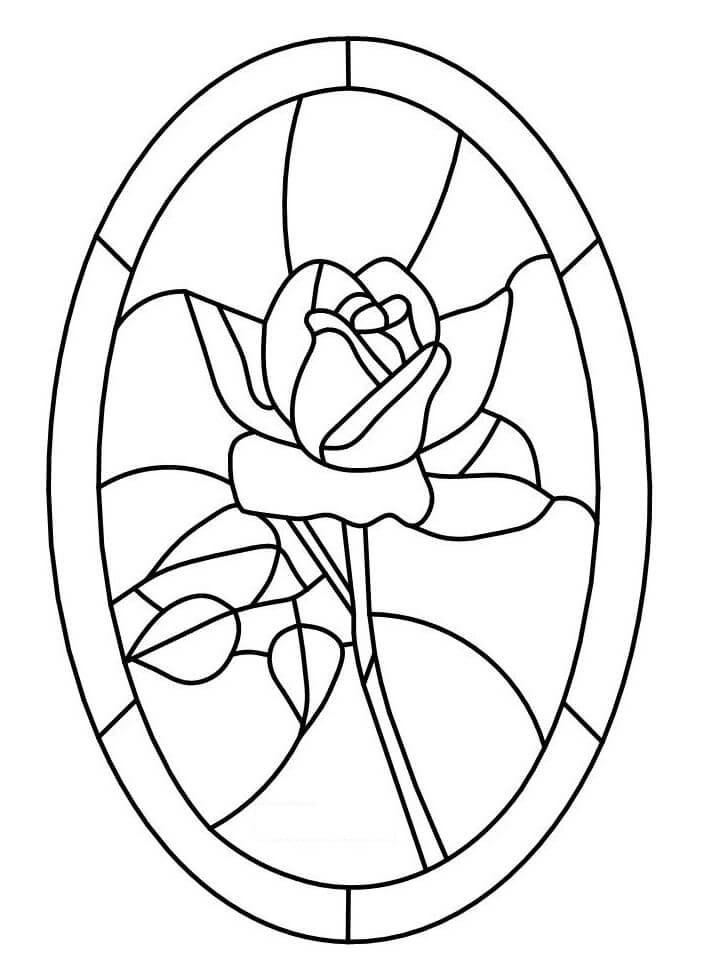
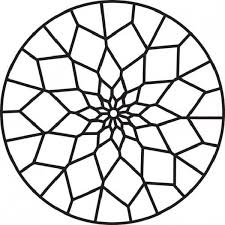
Stained glass coloring books are designed to mimic the look and feel of traditional stained glass windows. With intricate and detailed designs that can be colored in with a variety of different mediums.
These books offer a fun and engaging way to explore your artistic side. Create stunning pieces of artwork that you can display in your home or give as a gift.
Whether you’re an experienced artist or just looking for a new hobby, stained glass coloring pages can provide hours of creative enjoyment.
In this article, we’ll explore some of the benefits of using a stained glass coloring book and how it can help you tap into your inner artist.
Benefits of Coloring Books & Pages
Using coloring books can provide numerous benefits for your mind, body, and soul.
- Relaxation: Coloring has been shown to have a calming effect on the mind, reducing stress and anxiety levels. Focusing on the intricate details of the stained glass designs can provide a meditative and relaxing experience.
- Creativity: Coloring allows you to tap into your inner artist, exploring different color combinations and techniques to create beautiful and unique works of art.
- Mindfulness: By focusing on the present moment and the task at hand, coloring can help you develop a sense of mindfulness and improve your ability to concentrate.
- Art Therapy: Coloring books can be a form of art therapy, providing a therapeutic and healing experience for those dealing with mental health issues or other challenges.
- Motor Skills: Coloring can also help improve fine motor skills and hand-eye coordination, which can be beneficial for individuals of all ages.
- Enjoyment: Using a stained glass coloring book is a fun and enjoyable activity that can be done alone or with others, providing a source of entertainment and relaxation.
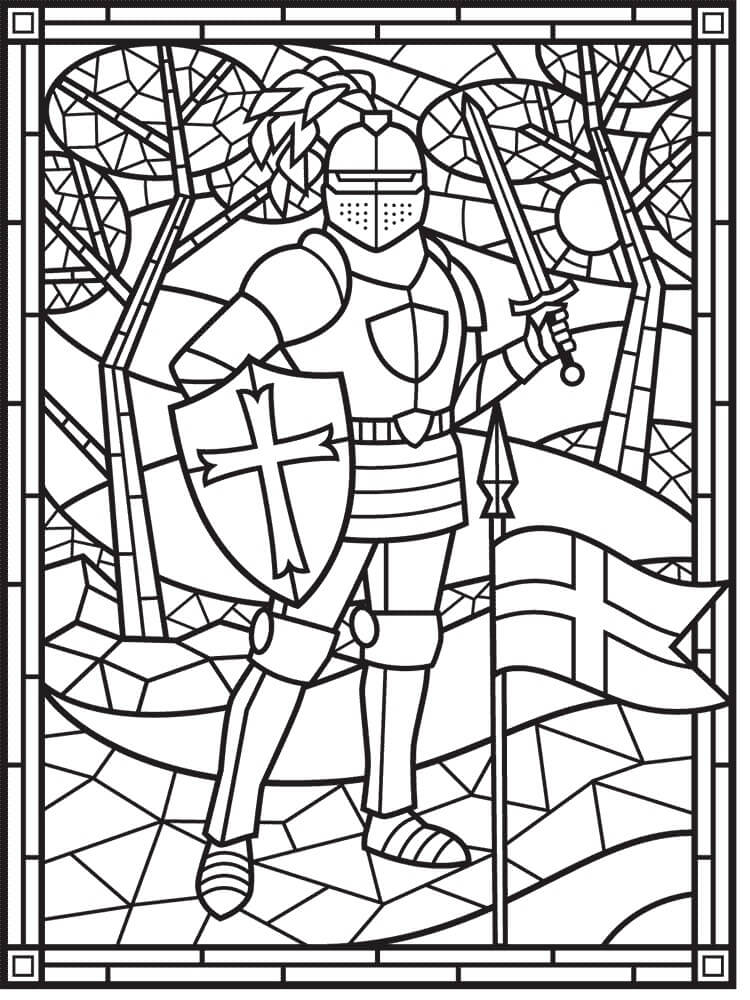
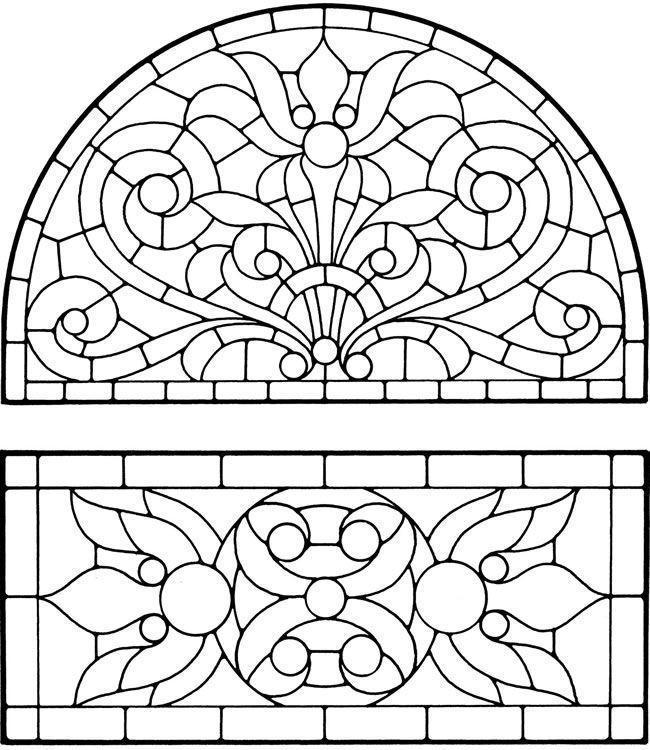
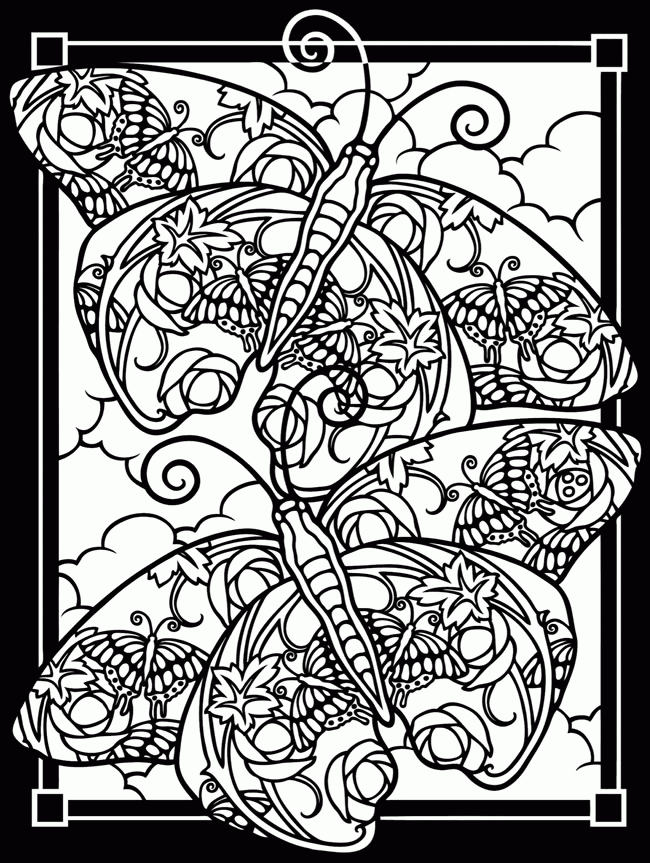
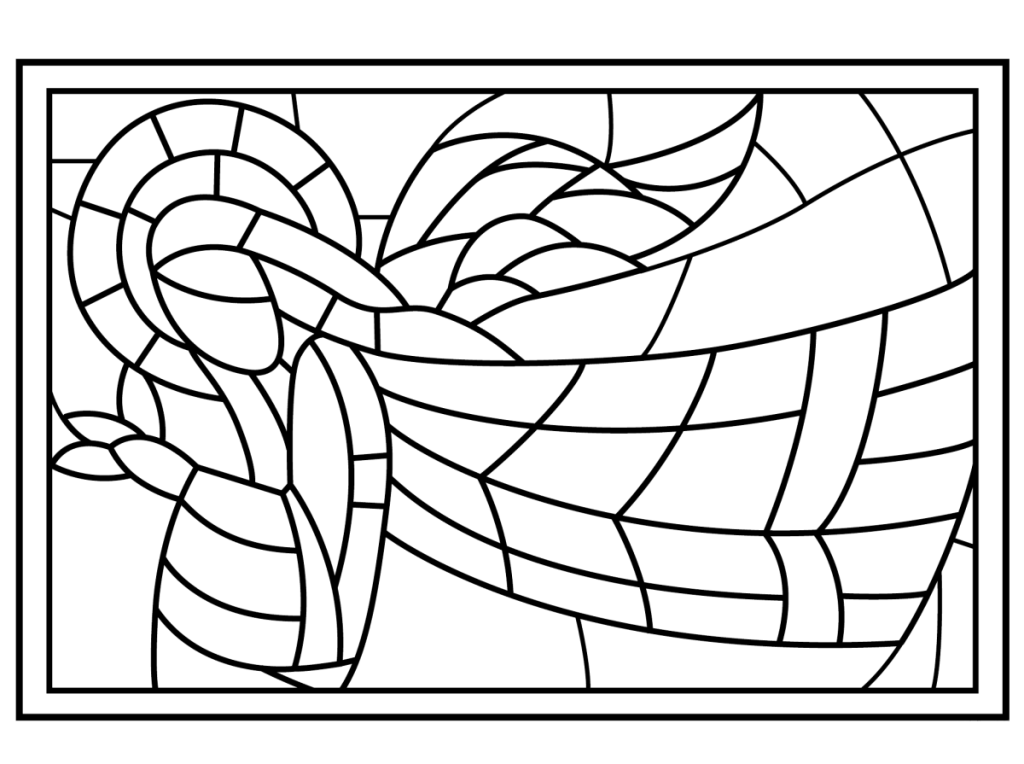
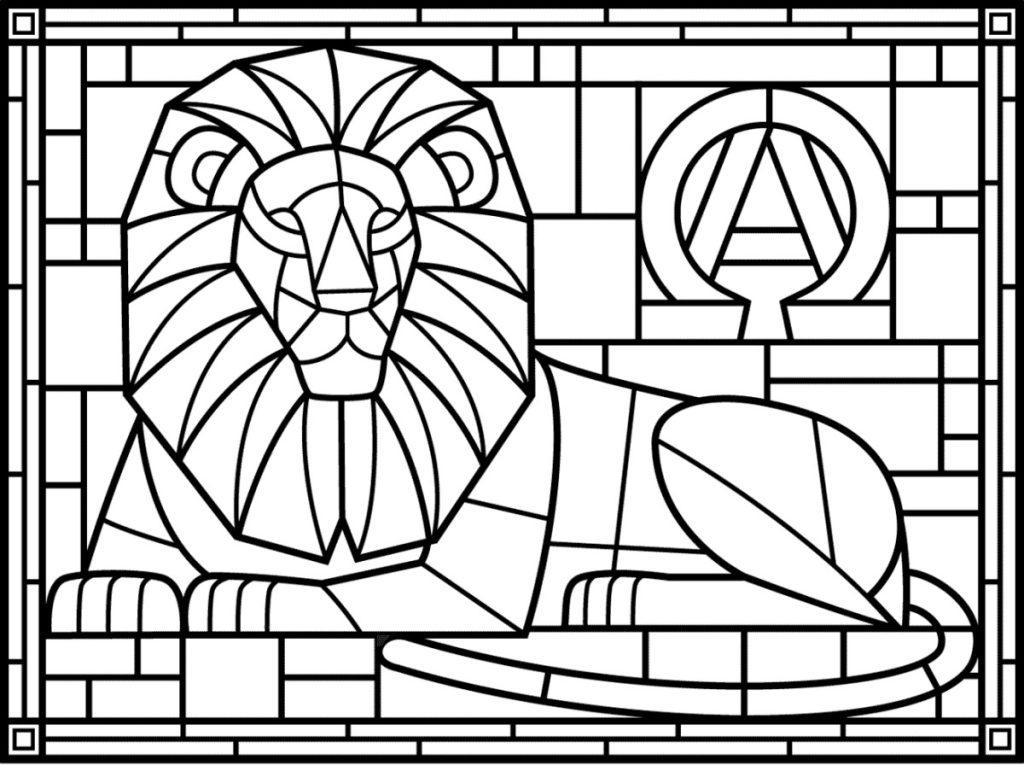
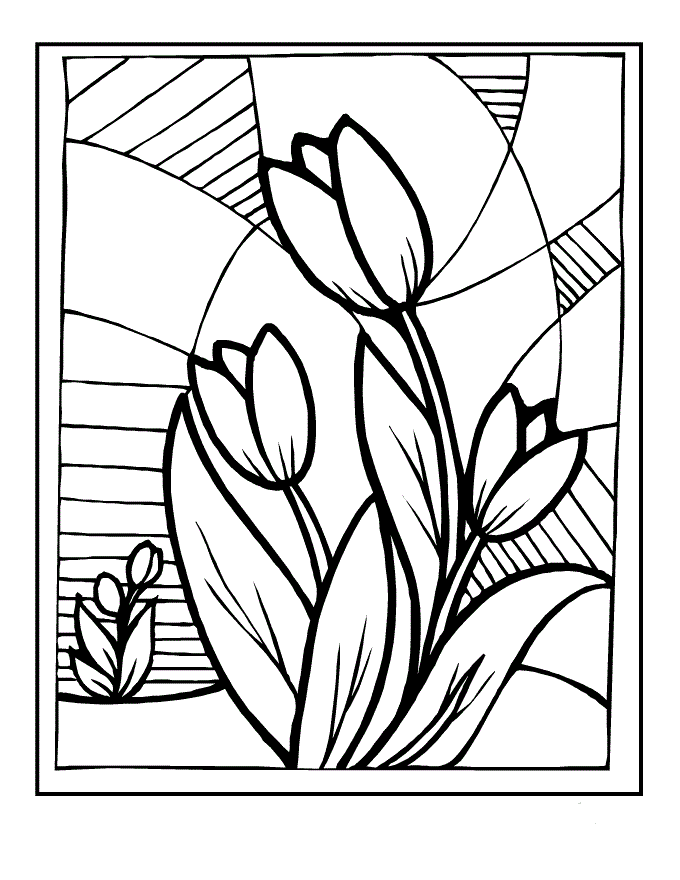
25 Stained Glass Coloring Pages – Free Printables










History and Art of Stained Glass
Stained glass has a rich history that spans centuries and is celebrated for its vibrant colors and ability to interact with light. This art form plays a significant role in architecture, enhancing both spiritual and atmospheric elements in spaces.
Evolution of Stained Glass Art
Stained glass originated in ancient civilizations, with evidence found in Roman and early Christian contexts. These cultures used glass primarily for decorative purposes, creating mosaics and simple tinted glass.
During the Middle Ages, stained glass became integral to cathedrals and churches. Artisans employed intricate designs depicting biblical stories, saints, and symbols. They refined techniques to manipulate light, achieving a spectrum of colors that transformed interiors.
The Gothic period saw advancements like the use of larger windows and more elaborate scenes. Techniques such as glass painting emerged, allowing for greater detail. Throughout the Renaissance, stained glass art continued to evolve, incorporating classical themes and realism.
Significance in Architecture
Stained glass serves both aesthetic and functional purposes in architecture. It enhances natural light, creating a dynamic interplay between color and illumination within structures.
In religious buildings, stained glass communicates spiritual narratives and teachings. It helps guide the observer’s focus toward key elements, such as altars or statues.
Beyond sacred spaces, this art form is found in public buildings and homes. It adds beauty, character, and cultural significance. Through thoughtful integration, stained glass can elevate the experience of a space, making it memorable and inviting.
The legacy of stained glass continues today, as artists and architects explore new forms and techniques while respecting tradition.
Color Theory in Stained Glass Coloring
Color theory is essential in stained glass coloring, influencing both aesthetic appeal and emotional impact. By understanding color selection and its effects on mood, artists can create compelling and vibrant designs.
Importance of Color Selection
Color selection plays a crucial role in stained glass artwork. Different colors evoke various emotions and responses. For instance, bold reds and vibrant yellows can convey energy and warmth, while cool blues and deep purples promote calmness.
Choosing an appropriate color palette enhances the visual narrative. Combining colors can create a harmonious or contrasting effect, allowing the artist to express different themes. For example, pairing warm tones with cool shades can add depth and interest to a piece.
Understanding the relationships between colors, such as complementary and analogous schemes, guides artists in making informed choices. This knowledge helps to achieve balance within their designs.
Creating Mood with Colors
Colors significantly influence mood and atmosphere in stained glass coloring. Warm colors, like oranges and reds, often stimulate feelings of joy and vibrancy. In contrast, cool colors, such as greens and blues, tend to evoke tranquility and relaxation.
Artists can manipulate colors intentionally to set the desired mood. For example, utilizing soft pastels can create a gentle, serene effect, while bright, saturated hues can inject energy and excitement into the composition.
The choice of color combinations adds layers to the mood. For instance, a blend of greens and blues may suggest rejuvenation and growth. Thus, understanding how each color interacts contributes to achieving a desired emotional resonance in stained glass art.
Optimizing the Coloring Experience
To enhance the enjoyment and quality of working with a stained glass coloring book, selecting appropriate tools and materials is essential. Understanding various techniques can also significantly improve the outcome of each piece.
Choosing Suitable Tools and Materials
The right tools can support an enjoyable coloring experience. Pencils, markers, and gel pens offer different effects.
- Colored Pencils: Ideal for intricate designs due to their precision. They allow for layering and blending.
- Markers: Great for bold colors and coverage but can bleed through pages. Choosing fine-tipped markers aids in detail work.
- Gel Pens: These provide vibrant colors and a smooth finish. They are particularly effective on glossy or textured paper.
Opt for high-quality materials to prevent smudging and ensure a lasting finish. Consider the weight and texture of the paper in the coloring book, as this impacts color application. Thicker paper supports more extensive layering without tearing.
Techniques for Vibrant and Detailed Work
Utilizing specific techniques can maximize the vibrancy and detail of each coloring project.
- Layering Colors: Start with light colors, gradually adding darker shades. This creates depth and dimension.
- Blending: Use colorless blenders or lighter shades to soften transitions between colors. This technique enhances realism in designs.
- Stippling and Doodling: Adding small dots or designs can give intricate patterns more character and complexity.
Consistency in pressure is crucial for detail work. Varying pressure creates light and dark areas, enriching the overall look. Regular practice of these techniques allows for a more refined and enjoyable coloring process.
Using a stained glass coloring book is a great way to unwind, tap into your creativity, and reap the many benefits of coloring.
Whether you’re a beginner or an experienced artist, there’s something for everyone in these beautiful and intricate designs.