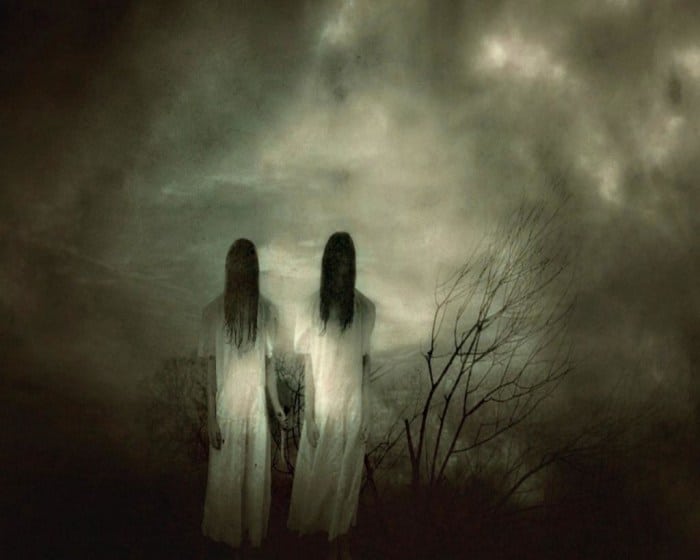

Who Is the Snow Queen? Discover the Chilling Secrets of This Fairy Tale Icon!
Ever wondered about that frosty diva from your bedtime stories? The Snow Queen is the original ice queen—mysterious, powerful, and so chilly, she’d probably turn your thermostat down to “arctic” just for fun.
She’s the star of Hans Christian Andersen’s classic fairy tale, first published way back in 1844 (a time before Wi-Fi, TikTok, or heated car seats—truly chilling times).
This icy monarch isn’t just about freezing things and kidnapping kids, though. Sure, she spirits away a boy named Kay to her frozen palace, but hey, villains gotta villain, right?
What makes her interesting is that there’s more to her than just cold-heartedness. Andersen’s story dives deep into themes of love, friendship, and the eternal showdown between good and evil—all wrapped up in a snowstorm of drama.
The Snow Queen has left her frosty fingerprints all over pop culture, inspiring countless books, movies, and TV shows. (Hint: if Frozen just popped into your head, you’re on the right track, but trust me, Elsa is the watered-down version.) Whether you realize it or not, her icy influence is everywhere.
So, who exactly is this frosty ruler, and how did she become such a cool (pun intended) staple in children’s stories? Stick around, and let’s chip away at the mystery behind the Snow Queen. Spoiler: she’s cooler than you remember—literally.
Literary Origins and Author
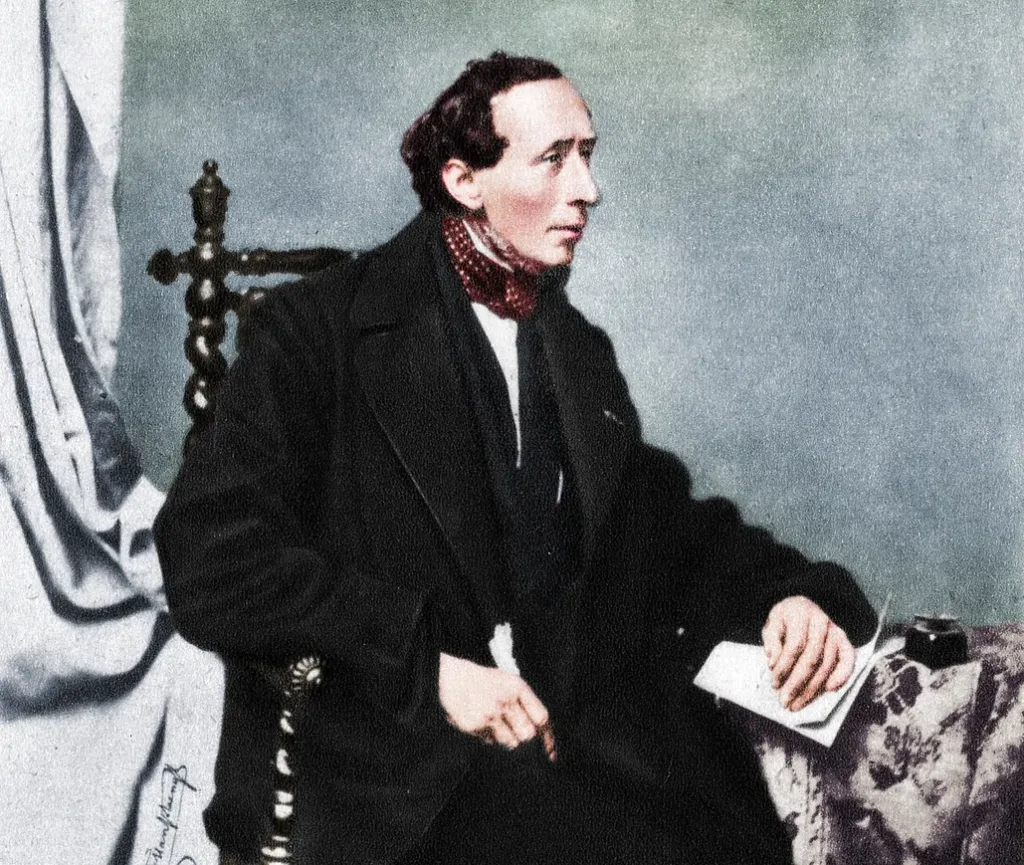 The Snow Queen emerged from the imagination of a renowned Danish author in the mid-19th century. This beloved fairy tale has captivated readers for generations with its enchanting story.
Creation of the Fairy Tale
You might be surprised to learn that “The Snow Queen” was first published on December 21, 1844. It appeared in a collection called “New Fairy Tales. First Volume. Second Collection.” The tale was an instant hit with readers.
Hans Christian Andersen, the author, drew inspiration from Norse mythology and Scandinavian folklore. He wove these elements into a story about good versus evil, friendship, and perseverance.
The original fairy tale was much longer than many modern versions you might have read. It was divided into seven parts, each with its own mini-adventure for the main characters.
Hans Christian Andersen’s Life
You’ve probably heard of Hans Christian Andersen, but did you know he came from humble beginnings? Born in Odense, Denmark in 1805, he grew up in a poor family.
Despite early struggles, Andersen’s talent for storytelling shone through. He wrote numerous fairy tales that have become classics, including “The Little Mermaid” and “The Ugly Duckling.”
Andersen’s own experiences often influenced his stories. His love of travel and keen observations of human nature found their way into tales like “The Snow Queen.”
He never married or had children, dedicating his life to writing. By the time of his death in 1875, Andersen had gained worldwide fame for his fairy tales.
Main Characters and Their Journeys
 The Snow Queen tale revolves around a cast of memorable characters, each embarking on their own unique journey. You’ll encounter brave heroes, mysterious figures, and helpful companions along the way.
Gerda’s Quest for Kay
Gerda, the story’s protagonist, sets out on a perilous adventure to find her best friend Kay. You’ll follow her as she braves harsh winter conditions and faces numerous obstacles. Gerda’s unwavering determination and pure heart help her overcome challenges.
She encounters various characters who aid her quest. You’ll see how Gerda’s kindness wins her allies, from talking flowers to a clever crow. Her journey takes her through enchanted gardens, royal palaces, and bandit hideouts.
Gerda’s love for Kay proves stronger than the Snow Queen’s magic. You’ll witness her growth from a timid girl to a courageous young woman as she nears her goal.
The Enigmatic Snow Queen
The Snow Queen, a powerful and mysterious figure, serves as the story’s central antagonist. You’ll discover her icy beauty and the allure of her frozen realm. Her motives remain unclear, adding to her enigmatic nature.
She kidnaps Kay, whisking him away to her ice palace. You’ll learn how she uses magic to manipulate Kay’s memories and emotions. The Snow Queen’s cold logic and lack of warmth contrast sharply with Gerda’s warmth and compassion.
Her character raises questions about the nature of beauty, power, and emotional detachment. You’ll ponder whether she’s truly evil or simply misunderstood.
Supporting Cast
Kay, Gerda’s childhood friend, undergoes a dramatic transformation. You’ll see how a splinter of a magic mirror changes his personality, making him cold and cruel. His journey with the Snow Queen tests his humanity and friendship with Gerda.
The Reindeer plays a crucial role in Gerda’s quest. You’ll follow its efforts to help her reach the Snow Queen’s palace. Its knowledge of the northern lands proves invaluable.
Robbers add excitement and danger to the story. You’ll encounter a little robber girl who initially threatens Gerda but later becomes an unlikely ally. Her fierce personality and pet reindeer contribute to some of the tale’s most memorable moments.
The people of Lapland offer Gerda guidance and shelter. You’ll learn about their customs and how they assist in the final leg of her journey.
Themes and Motifs
 The Snow Queen tale weaves together powerful themes and recurring motifs. You’ll encounter contrasting forces, the strength of pure-hearted connections, and love’s ability to overcome obstacles.
The Battle of Good and Evil
Good and evil clash throughout the story. You’ll see this in the struggle between the Snow Queen’s icy influence and Gerda’s warm-hearted quest. The mirror shard in Kay’s eye and heart represents evil’s corruption, while Gerda’s tears symbolize goodness melting away darkness.
The robber girl’s transformation from threat to ally shows how kindness can soften even the hardest hearts. You’ll notice how characters face moral choices, highlighting the ongoing fight between light and shadow in our lives.
Innocence and Friendship
Childhood innocence shines through Gerda and Kay’s bond. Their friendship withstands magical interference and physical separation. You’ll see how Gerda’s pure belief in her friend drives her journey.
The story emphasizes loyalty and trust. Gerda’s encounters with helpful animals and people show the power of forming connections. Her innocence often protects and guides her, proving that a child-like faith can overcome adult cynicism.
Love’s Transformative Power
Love emerges as a central force in the tale. You’ll witness how Gerda’s unwavering love for Kay breaks the Snow Queen’s spell. This mirrors the idea in the “Little Robber Girl” psalm that love leads to eternal life.
The story shows love melting frozen hearts and breaking curses. You’ll see how it transforms characters and situations. Gerda’s love gives her strength to face challenges, while Kay’s renewed ability to love frees him from the Queen’s influence.
Symbolism and Imagery
 The Snow Queen’s tale is rich with symbolic elements and vivid imagery. These motifs weave throughout the story, enhancing its themes and characters.
The Magic Mirror and Its Fragments
The Magic Mirror, also known as the Mirror of Reason, plays a crucial role in the story. You’ll notice how it distorts reality, showing only the ugly and bad in everything it reflects. When the mirror shatters, its fragments scatter across the world.
These tiny shards can enter people’s eyes and hearts, warping their perceptions. This symbolizes how negativity and cynicism can cloud your judgment and change your outlook on life. The mirror’s power over Kay illustrates how easily one can lose sight of beauty and goodness in the world.
Seasonal Imagery and Landscapes
The stark contrast between summer and winter forms a key part of the story’s symbolism. You’ll see how summer represents warmth, life, and love, while winter embodies coldness, isolation, and emotional detachment.
The Snow Queen’s icy palace stands as a symbol of her frozen heart. As you follow Gerda’s journey, you’ll witness her transition through various landscapes. Each setting reflects her emotional state and the challenges she faces.
Snowflakes feature prominently, often described as perfect and intricate. They symbolize both beauty and coldness, mirroring the Snow Queen’s allure and danger.
Floral Symbolism
Flowers play a significant role in the story, especially roses. You’ll see how they represent love, innocence, and the power of memories. Gerda’s connection to roses helps her resist the Snow Queen’s magic.
Other flowers appear throughout Gerda’s quest, each with its own meaning. They often symbolize growth, resilience, and the cyclical nature of life. As you read, you’ll notice how these floral elements contrast with the icy world of the Snow Queen, highlighting the struggle between warmth and cold, love and indifference.
Adaptations and Cultural Impact
 The Snow Queen has inspired numerous adaptations across various media, significantly influencing popular culture. You’ll find her story reimagined in films, books, and even theme park attractions.
The Snow Queen on Screen
Disney’s “Frozen” is perhaps the most famous adaptation of The Snow Queen. You’ve probably seen this animated blockbuster, which loosely draws from Andersen’s tale. Elsa, the ice queen, isn’t a villain but a misunderstood hero. The film’s massive success sparked a franchise, including a sequel and short films.
Other screen adaptations include a 1957 Soviet animated film and a 2002 TV movie starring Bridget Fonda. You might also recognize elements of the story in the BBC’s “The Lion, the Witch and the Wardrobe” adaptation, where the White Witch shares similarities with the Snow Queen.
From Fairy Tales to Modern Narratives
You’ll find The Snow Queen’s influence extending beyond direct adaptations. Modern fantasy literature often features icy villains or misunderstood characters with snow powers. These draw inspiration from Andersen’s creation.
The tale has also been adapted into ballets, operas, and stage plays. You might have seen it performed at your local theater. Children’s books frequently retell the story, sometimes with modern twists.
The Snow Queen’s impact on popular culture is evident in theme park attractions, like Epcot’s “Frozen Ever After” ride. You can experience a magical winter wonderland inspired by the story and its adaptations.
Interpretations and Analysis
 The Snow Queen tale offers rich ground for various interpretations. You’ll find both moral lessons and deeper psychological insights woven throughout the story.
The Snow Queen as a Moral Lesson
You might see the Snow Queen as a cautionary tale about the dangers of emotional coldness. It warns you against letting your heart freeze over. The story encourages you to value warmth, love, and human connection.
Gerda’s journey teaches you about perseverance and the power of innocence. You’ll notice how her pure heart and unwavering faith help her overcome obstacles. The tale suggests that these qualities are stronger than any magic or evil.
You can also interpret the story as a lesson about friendship. It shows you how true bonds can withstand even the harshest trials.
Psychological and Philosophical Readings
You might view the Snow Queen as a symbol of emotional detachment or depression. Kay’s journey into her realm could represent a descent into a cold, logical mindset devoid of feeling.
The troll’s mirror offers an interesting psychological angle. You could see it as a metaphor for distorted perceptions that twist reality. It reminds you how easily your view of the world can be altered.
Gerda’s quest can be read as a journey of self-discovery. You might interpret it as a process of personal growth and overcoming inner demons. The various characters she meets could represent different aspects of the psyche.
Legacy and Continued Relevance
 You’ve probably heard of the Snow Queen, even if you don’t realize it. This icy character from Hans Christian Andersen’s fairy tale has left quite a mark on popular culture.
Her influence reaches far beyond the original story. You’ll find traces of the Snow Queen in many modern works, from books to movies. Remember Elsa from “Frozen”? She’s a prime example of how this character continues to inspire creators.
The Snow Queen represents more than just a frosty villain. She embodies themes of purity, eternity, and the loss of childhood innocence. These ideas still resonate with readers and audiences today.
In literature, you’ll spot nods to the Snow Queen in various fantasy novels. She often serves as a model for cold, powerful sorceresses or princesses.
The tale’s enduring appeal lies in its exploration of friendship and love conquering all. You might find yourself drawn to this timeless message, just like generations before you.
Artists and illustrators continue to reimagine the Snow Queen. Her striking visual potential makes her a favorite subject for creative interpretations.
The story’s wintry setting has also made it a holiday staple. You’ll often see adaptations performed as Christmas plays or ballets.
Next time you encounter snow or ice, you might think of the Snow Queen and her frosty realm. Her legend lives on, reminding you of winter’s beauty and danger.
Whether you see her as a villain or a misunderstood figure, the Snow Queen’s impact on literature and folklore is undeniable. Her icy presence lingers in the minds of readers and viewers alike.