25 Fun Facts About Christmas: Jolly Tidbits to Spread Holiday Cheer
Ah, Christmas—the time of year when everything sparkles, Mariah Carey emerges from hibernation, and your living room mysteriously fills with glitter (seriously, where does it all come from?).
It’s a season packed with joy, traditions, and just the right amount of chaos. But have you ever stopped mid-cookie binge and wondered about the quirks behind this festive holiday?
Get ready to jingle your brain bells because we’re unwrapping 25 Fun Facts About Christmas that might just make you say, “Wait, what?!”
From the bizarre to the heartwarming, these tidbits will give you a whole new appreciation for the season—and maybe even some conversation starters for those awkward family dinners. So grab some cocoa, cozy up, and prepare to deck your mind with holiday knowledge!
25 Fun Facts About Christmas
1) The first Christmas card was sent in 1843.
 Did you know that the tradition of sending Christmas cards began nearly 180 years ago? The first commercial Christmas card was commissioned in 1843 by Sir Henry Cole, a prominent British civil servant and educator.
Cole was known for his work in reforming the postal system and helping to introduce the Penny Post in Britain. He came up with the idea of a Christmas card as a way to encourage more people to use the postal service.
The card was designed by artist John Callcott Horsley. It featured a cheerful family scene with people raising wine glasses, flanked by images of people helping the poor.
You might be surprised to learn that only 1,000 copies of this first Christmas card were printed. They were sold for a shilling each, which was quite expensive at the time.
The card’s design caused some controversy due to the depiction of a child drinking wine. However, it set the stage for a tradition that would soon become a beloved part of the holiday season.
Interestingly, Queen Victoria also sent her first official Christmas card around this time, helping to popularize the custom. Today, the V&A Museum holds the national collection of greeting cards, including over 30,000 Christmas cards.
2) Jingle Bells was originally a Thanksgiving song.
You might be surprised to learn that the beloved Christmas carol “Jingle Bells” wasn’t initially intended for the winter holiday. This festive tune was originally written as a Thanksgiving song.
James Lord Pierpont composed the song in the early 1850s. He penned it while sitting in Simpson Tavern in Medford, Massachusetts. The song’s original title was “The One Horse Open Sleigh,” and it wasn’t published until 1857.
You might wonder why a song about sleigh rides was associated with Thanksgiving. In New England during the 1800s, sleigh races were a popular pastime. These races often took place around Thanksgiving when the first snows had fallen.
Pierpont first performed the song at a Thanksgiving concert. It’s believed he wrote it to commemorate the famous sleigh races of Medford. The jingling bells in the song refer to the bells attached to horse harnesses during these races.
Over time, the song’s association shifted from Thanksgiving to Christmas. Bing Crosby’s recording in the 1940s helped cement its place as a Christmas classic.
Today, you probably can’t imagine the holiday season without “Jingle Bells.” Its journey from Thanksgiving tune to Christmas favorite is a fascinating part of its history.
3) Rudolph was created for a Montgomery Ward campaign.
 You might think Rudolph the Red-Nosed Reindeer has always been part of Christmas lore, but he’s actually a more recent addition. The beloved character was created in 1939 as part of a holiday marketing campaign for Montgomery Ward, a popular department store chain at the time.
Robert L. May, a 34-year-old copywriter for the company, was tasked with developing a Christmas story for a free giveaway booklet. Montgomery Ward had been buying and distributing coloring books to customers each holiday season, but they decided to create their own story to save money.
May drew inspiration from his own childhood experiences of feeling like an outcast. He crafted the tale of Rudolph, a reindeer mocked for his glowing red nose who ultimately saves Christmas by guiding Santa’s sleigh through a foggy night.
The story was an instant hit. Montgomery Ward distributed 2.4 million copies of the Rudolph booklet in its first year alone. The character’s popularity continued to grow, eventually inspiring the famous song and beloved TV special you know today.
Next time you hear about Rudolph, remember that this Christmas icon started as a department store promotion. It’s a testament to the enduring power of a good story and how unexpected sources can create lasting holiday traditions.
4) The tradition of hanging stockings comes from a Dutch legend.
 You might be surprised to learn that the custom of hanging Christmas stockings has roots in a charming Dutch tale. This lesser-known legend adds a unique twist to the holiday tradition.
According to the story, Santa Claus and his helper Zwarte Piet would visit a different city in the Netherlands each year. Excited children, eagerly awaiting their arrival, would leave their wooden clogs outside.
These clogs weren’t empty, though. The thoughtful kids would fill them with hay and carrots for Santa’s animals. It’s a sweet gesture that shows how even the youngest among us can spread holiday cheer.
Over time, this Dutch custom evolved. The wooden clogs were replaced by stockings, which were easier to hang and could hold more goodies. This transformation helped the tradition spread to other countries.
Today, you might hang colorful, oversized stockings by your fireplace or on your mantle. But remember, this festive practice has its origins in those simple wooden clogs left out by Dutch children long ago.
Next time you’re stuffing stockings with treats and small gifts, you can share this fun fact with your family and friends. It’s a great way to connect with the rich history behind our beloved Christmas traditions.
5) 7.6 million Christmas trees are sold in the U.S. each year.
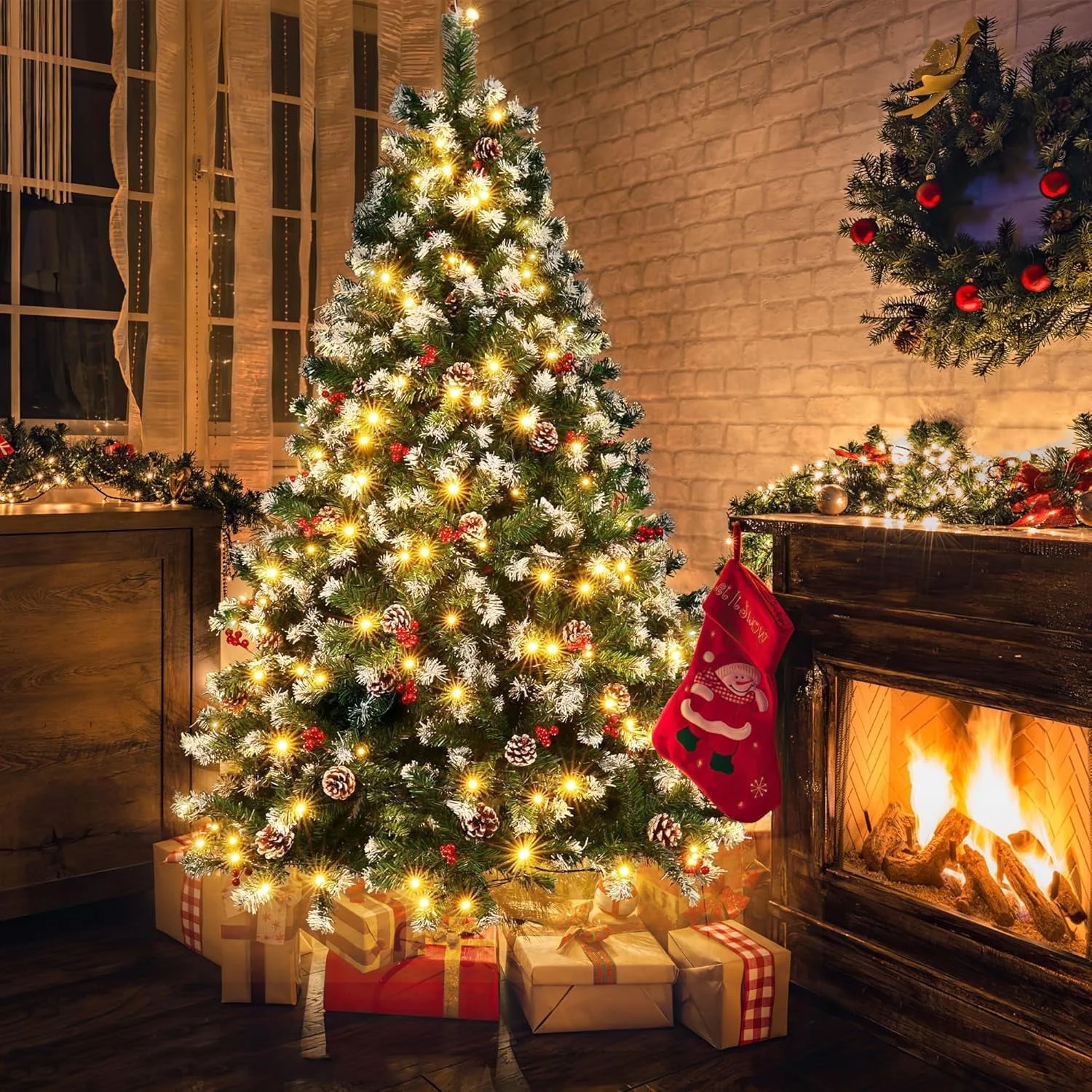 You might be surprised to learn that 7.6 million Christmas trees are sold each year. This number represents a significant portion of the holiday tradition in the United States.
However, more recent data suggests that the actual number might be even higher. In fact, approximately 25-30 million real Christmas trees are sold in the U.S. annually. This means you’re part of a vast group of people who bring the festive spirit into their homes with a real tree.
Did you know that there are close to 350 million real Christmas trees currently growing on farms across the U.S.? These trees are carefully cultivated by farmers, ensuring a sustainable supply for years to come.
You might be wondering about the economic impact of this holiday tradition. Well, in 2022, Americans spent around $5 billion on both real and artificial Christmas trees. That’s quite a significant amount for a once-a-year purchase!
If you’re curious about how long it takes to grow your Christmas tree, here’s an interesting fact: it typically takes about eight years for a Christmas tree to reach a height of 6 to 7 feet. So the tree in your living room has been growing for nearly a decade before becoming part of your holiday celebrations.
6) Christmas trees were first decorated with fruits and nuts.
 You might be surprised to learn that the earliest Christmas tree decorations were edible! The first Christmas trees were adorned with apples, nuts, and other tasty treats. This tradition dates back to 16th-century Germany.
The practice of decorating trees actually has even deeper roots. In ancient times, people would hang fruits and nuts on trees after the leaves fell off. This symbolized the promise of spring and new life to come.
When Christmas trees were first brought indoors, people continued this custom. They would add fruits, nuts, and ribbons to the branches. It was a way to bring a bit of nature’s beauty inside during the cold winter months.
Apples were a particularly popular choice for tree decorations. They represented the forbidden fruit from the Garden of Eden. Some people also added small wafers to symbolize the eucharist.
As time went on, people began crafting homemade ornaments to supplement the edible decorations. Paper roses, painted eggshells, and strings of popcorn or berries were common choices.
The tradition of hanging candles on Christmas trees also emerged during this period. These represented stars and added a beautiful glow to the tree. Of course, this practice was quite dangerous, which is why we use electric lights today!
So next time you decorate your Christmas tree, remember its humble beginnings. Those shiny baubles and twinkling lights have their roots in simple fruits and nuts from long ago.
7) Xmas is not a modern abbreviation but has been used for centuries.
 You might think “Xmas” is a recent, casual shorthand for Christmas, but it’s actually been around for a very long time. This abbreviation dates back to the mid-1500s, long before it appeared in modern advertisements or social media posts.
The “X” in Xmas isn’t just a random letter. It represents the Greek letter Chi, which is the first letter of the Greek word Χριστός (Christós), meaning “Christ” or “Anointed One.” This connection to Greek has deep roots in early Christianity.
Even earlier examples of similar abbreviations exist. Around the year 1100, you would have found the term written as “Xp̄es mæsse” in the Anglo-Saxon Chronicle. That’s over 900 years ago!
Famous figures throughout history have used this abbreviation too. Lord Byron, the renowned English poet, used “Xmas” in his writing as far back as 1811.
So next time you see “Xmas” on a holiday card or decoration, you can appreciate its long history. It’s not a modern attempt to take Christ out of Christmas, but rather an ancient Christian tradition with deep linguistic roots.
8) ‘All I Want for Christmas Is You’ took 15 minutes to write—Mariah Carey
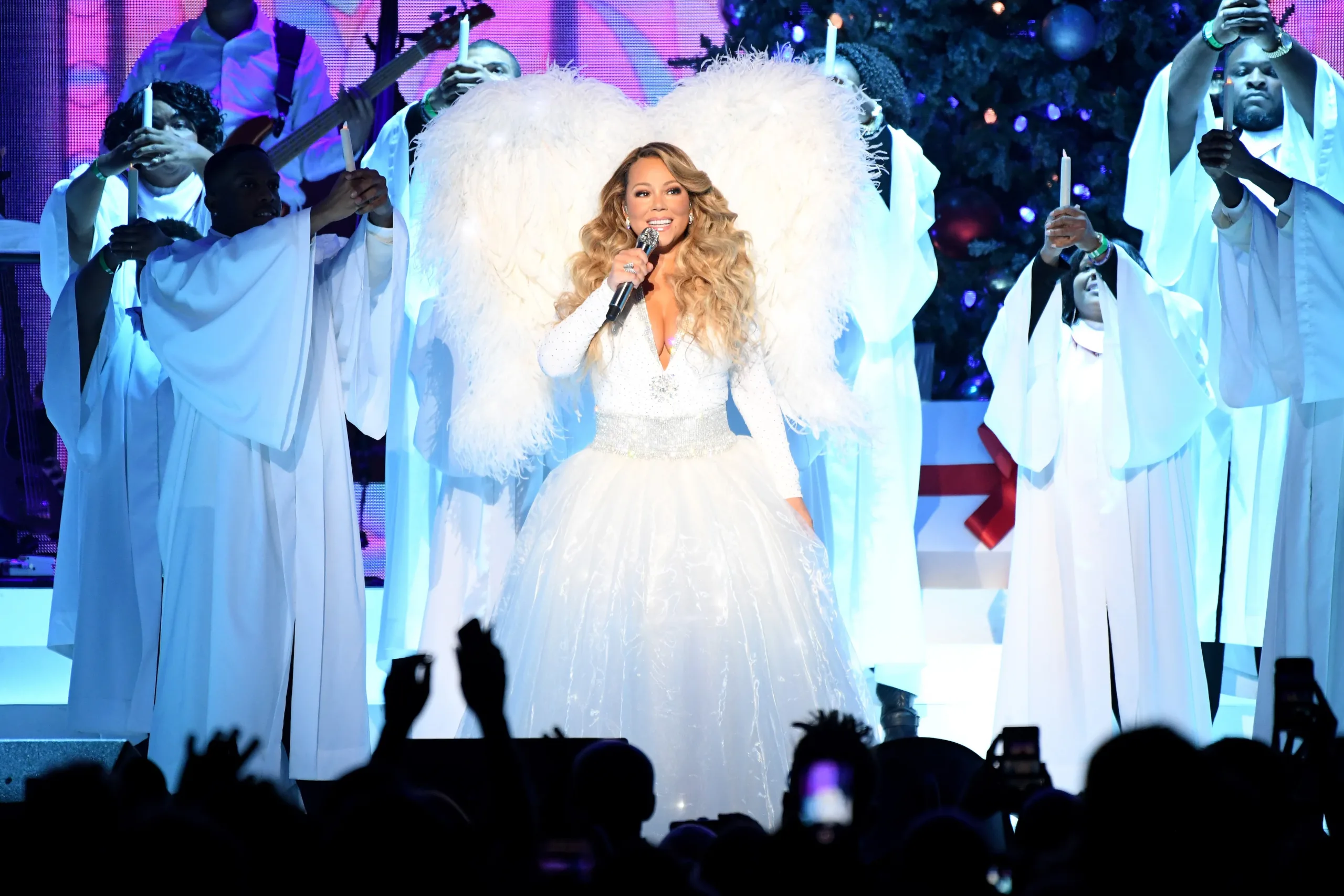 You might be surprised to learn that one of the most beloved Christmas songs of all time was written in just 15 minutes. Mariah Carey’s “All I Want for Christmas Is You” has become a holiday staple since its release in 1994.
The catchy tune and heartfelt lyrics came together quickly for Carey and her co-writer Walter Afanasieff. It’s incredible to think that a song that has brought so much joy to millions was created in less time than it takes to bake a batch of Christmas cookies.
You’ve probably heard this festive hit countless times during the holiday season. It’s played in stores, on the radio, and at Christmas parties everywhere. The song’s popularity has only grown over the years, becoming Carey’s signature Christmas anthem.
Despite its quick creation, “All I Want for Christmas Is You” has stood the test of time. It continues to climb the charts each holiday season, proving that sometimes the best things in life come together effortlessly.
Next time you hear this Christmas classic, you can appreciate the burst of creativity that brought it to life in just a quarter of an hour. It’s a testament to Carey’s talent and the magic of the holiday spirit that inspired such a timeless tune.
9) Santa Claus has a postal zip code in Canada: H0H 0H0
 Did you know that Santa Claus has his very own postal code in Canada? It’s true! The jolly old elf’s official Canadian address is SANTA CLAUS, NORTH POLE H0H 0H0, CANADA.
This special postal code was assigned to Santa in 1982 by Canada Post. It’s a clever play on Santa’s famous laugh, “Ho ho ho!”
Every year, thousands of children from around the world send letters to this address. You might be wondering if Santa actually receives these letters. Well, he does! Canada Post has a dedicated team that helps Santa respond to all the mail he receives.
If you want to write to Santa, you now know exactly where to send your letter. Just remember to include the postal code H0H 0H0 to make sure it reaches him at the North Pole.
This unique postal code is a fun way for Canada to celebrate the magic of Christmas. It also helps ensure that all those important wish lists make it to Santa in time for the big day.
10) ‘The Twelve Days of Christmas’ refers to the days after Christmas.
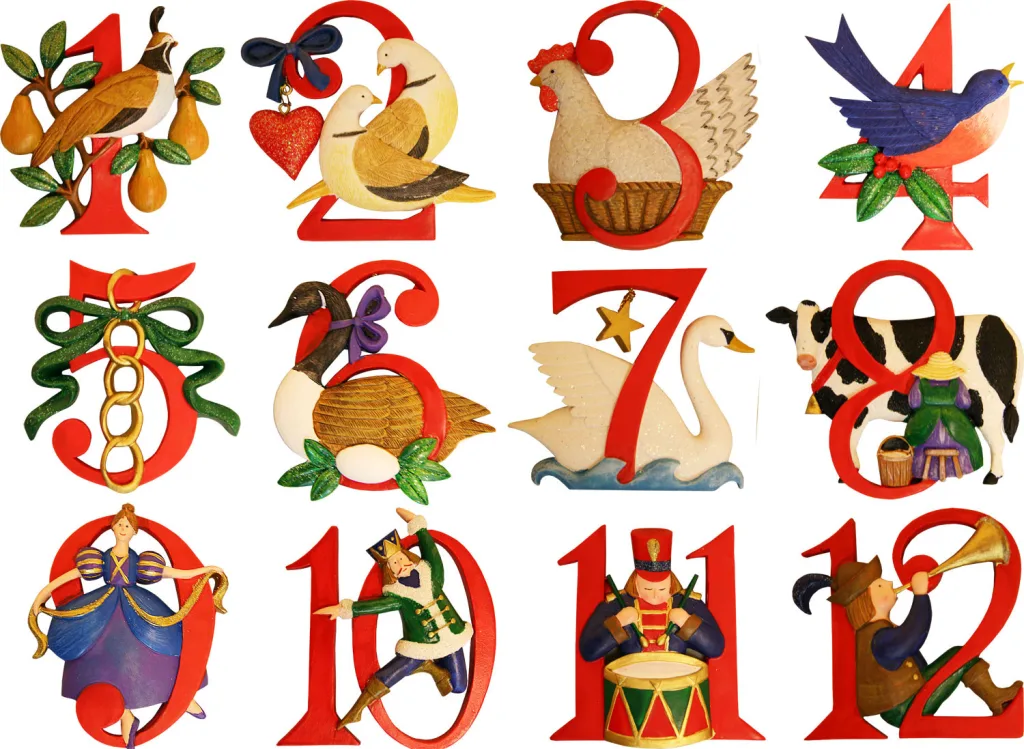 You might think the Twelve Days of Christmas happen before December 25th, but they actually begin on Christmas Day itself. The celebration continues until January 5, which is known as Twelfth Night.
This festive period marks the time between the birth of Jesus and the arrival of the Wise Men. Each day has its own significance in Christian tradition, often celebrated with various customs and observances.
The popular carol “The Twelve Days of Christmas” is closely associated with this time. You’ve probably sung about partridges in pear trees and lords a-leaping. Some believe the song’s lyrics contain hidden religious meanings, with each gift symbolizing an aspect of Christian faith.
Interestingly, different cultures celebrate these days in unique ways. In some places, you might find people exchanging gifts on each of the twelve days, rather than just on Christmas morning.
The final day, January 6, is known as Epiphany or Three Kings Day. It’s a significant feast day in many Christian denominations, commemorating the visit of the Magi to the baby Jesus.
So next time you hear the familiar tune, remember that the Twelve Days of Christmas aren’t just a catchy song. They represent a rich tradition of post-Christmas celebration that’s been part of Christian culture for centuries.
11) Norwegian scientists hypothesize Santa Claus is a black hole.
 Have you ever wondered how Santa Claus manages to deliver presents to children all over the world in just one night? Norwegian scientists have postulated some intriguing theories about Santa’s capabilities.
One of the most fascinating ideas is that Santa might be using wormholes or even string theory to accomplish his seemingly impossible task. These concepts from theoretical physics could potentially allow Santa to navigate through 26 dimensions, effectively bending space and time to his will.
But what if Santa himself is actually a black hole? This mind-bending hypothesis suggests that Santa’s incredible mass and density could create a gravitational field so strong that it warps the fabric of spacetime around him.
This theory might explain how Santa can fit down chimneys of any size and carry an infinite number of presents in his sleigh. As a black hole, Santa could potentially create his own pocket universe where the laws of physics as we know them don’t apply.
Of course, this is all speculative and meant to be taken with a grain of holiday cheer. It’s a fun way to apply scientific concepts to the magic of Christmas. Who knows?
Maybe next Christmas, you’ll look up at the night sky and wonder if that twinkling star is actually Santa zipping through a wormhole!
12) ‘Silent Night’ is the most recorded Christmas song in history.
 You might be surprised to learn that the gentle lullaby “Silent Night” holds a remarkable record. It’s not just popular – it’s the most recorded Christmas song ever, with over 137,000 known recordings!
This beloved carol has captured hearts around the world since its creation in 1818. Originally written in German as “Stille Nacht,” it has been translated into countless languages.
Have you ever wondered why it’s so widely recorded? Its simple melody and peaceful lyrics make it accessible to artists of all genres. From opera singers to rock bands, everyone seems to have their own version.
The song’s popularity skyrocketed in the 20th century. Bing Crosby’s 1928 recording helped cement its status as a holiday classic. Since then, countless artists have added their own spin to this timeless tune.
Next time you hear “Silent Night” playing during the holiday season, remember its special place in music history. You’re listening to a song that has been reimagined more times than any other Christmas carol.
Whether sung by a choir, played instrumentally, or performed by your favorite artist, “Silent Night” continues to be a cherished part of Christmas celebrations worldwide. Its enduring appeal is a testament to the power of a simple, beautiful melody.
13) Japan eats KFC for Christmas dinner.
 You might be surprised to learn that KFC has become a Christmas tradition in Japan. Instead of roast turkey or ham, many Japanese families look forward to a bucket of fried chicken on December 25th.
This unique custom started in the 1970s when KFC launched a clever marketing campaign. The slogan “Kentucky for Christmas” caught on, and soon people were lining up to get their festive feast.
Today, KFC’s Christmas packages in Japan often include special menu items like cake and champagne. Many people pre-order their meals weeks in advance to avoid long queues on the day.
The popularity of this tradition is astounding. KFC Japan reports that their Christmas sales are typically 10 times higher than regular days.
If you find yourself in Japan during the holidays, you might want to join in on this quirky custom. Just remember to order early or be prepared to wait in line for your finger-lickin’ Christmas dinner!
14) Tinsel was invented in 1610 in Germany and was originally made of silver.
 Did you know that the shimmering strands adorning your Christmas tree have a rich history? Tinsel was first created in Nuremberg, Germany in 1610. This festive decoration has been adding sparkle to holiday celebrations for over 400 years!
When tinsel first appeared, it wasn’t the plastic material you’re familiar with today. The original tinsel was crafted from genuine silver. Imagine how luxurious those early Christmas trees must have looked!
Artisans would hammer silver into thin sheets. They then carefully cut these sheets into delicate strips. This process created the signature glittering effect that made tinsel so popular.
The purpose of tinsel was to enhance the beauty of Christmas trees. It reflected the soft glow of candles, creating a magical, twinkling atmosphere in homes during the holiday season.
As you can imagine, using real silver was quite expensive. It also tarnished quickly, especially when exposed to candle smoke. These factors led to the development of more affordable and practical alternatives over time.
Today, when you decorate your tree with tinsel, you’re participating in a tradition that spans centuries. It’s a fun way to connect with holiday celebrants from long ago while adding your own festive touch to your home.
15) The first artificial Christmas tree was made in Germany using dyed goose feathers.
 Did you know that the artificial Christmas tree has its roots in Germany? These festive faux trees first appeared in the late 19th century, marking the beginning of a new holiday tradition.
The original artificial trees were crafted using an unexpected material – goose feathers! German artisans dyed these feathers green to mimic the appearance of pine needles.
You might wonder why they chose feathers. Well, this creative solution emerged as a response to deforestation concerns in Germany. It allowed people to enjoy the holiday spirit without contributing to environmental issues.
These feather Christmas trees quickly gained popularity. They were not only eco-friendly but also provided a unique and charming alternative to traditional pine trees.
As you decorate your home this holiday season, remember the ingenious German craftsmen who pioneered artificial trees. Their creativity paved the way for the diverse range of artificial trees you can choose from today.
Whether you prefer a real tree or an artificial one, you’re participating in a tradition that has evolved over centuries. The feather tree represents an important step in that evolution, blending practicality with holiday cheer.
16) Oklahoma was the last U.S. state to declare Christmas a legal holiday.
 Did you know that Christmas wasn’t always a legal holiday in every U.S. state? It might surprise you to learn that Oklahoma was the last state to officially recognize Christmas as a legal holiday.
This happened in 1907, much later than other states. To put this into perspective, some Southern states had already made Christmas a legal holiday as early as the 1830s.
Alabama declared Christmas a legal holiday in 1836, with Louisiana and Arkansas following suit in 1838. These Southern states were at the forefront of officially recognizing the holiday.
You might wonder why it took so long for all states to declare Christmas a legal holiday. The reasons varied, but it’s worth noting that Christmas celebrations were not always as widespread or universally accepted as they are today.
By 1860, fourteen states had adopted Christmas as a legal holiday, including several from New England. The trend continued, with more states joining in over the following decades.
It wasn’t until June 28, 1870, that Christmas became a federal holiday in the United States. President Ulysses S. Grant signed the law that made this official.
Even after this federal recognition, it took nearly four more decades for Oklahoma to follow suit. This fact serves as an interesting reminder of how holiday traditions and their legal recognition can evolve over time.
17) Mistletoe means ‘little dung twig’ in Old English.
 You might be surprised to learn that the romantic plant associated with Christmas kisses has a rather unromantic origin. The word “mistletoe” comes from the Old English “misteltan”.
In this ancient language, “mistel” means “dung,” and “tan” means “twig.” So when you combine these, you get “dung-on-a-twig” or “little dung twig.”
You might wonder why such a festive plant would have such an odd name. The reason lies in how mistletoe spreads. Birds eat the plant’s berries and then excrete the seeds onto tree branches, where new mistletoe plants can grow.
This method of seed dispersal led our ancestors to name the plant after its seemingly dung-covered appearance on tree branches. It’s quite a contrast to the plant’s current romantic associations!
Next time you’re standing under the mistletoe waiting for a kiss, you can impress your partner with this quirky etymological fact. It’s certainly a conversation starter at Christmas parties!
18) Santa Claus got his red suit from Coca-Cola advertising.
 You might have heard that Santa’s iconic red suit came from Coca-Cola ads, but this isn’t quite accurate. While Coca-Cola’s advertising played a significant role in popularizing the modern image of Santa, his red outfit predates their campaigns.
Santa’s red garb actually has earlier origins. The modern Santa Claus image was evolving in popular culture before Coca-Cola’s involvement. Artists and illustrators had been depicting Santa in red since the late 19th century.
However, Coca-Cola did have a major impact on Santa’s image. In 1931, they hired artist Haddon Sundblom to create Santa illustrations for their Christmas ads. Sundblom’s warm, jolly Santa became incredibly popular and helped cement the modern Santa image in the public imagination.
Sundblom’s Santa wore a red suit with white fur trim, matching the Coca-Cola brand colors. This consistent depiction in widespread ads helped standardize Santa’s appearance across popular culture.
You might be interested to know that Sundblom drew inspiration from Clement Clark Moore’s 1822 poem “A Visit From St. Nicholas” when creating his version of Santa. This shows how Santa’s image evolved from various sources over time.
While Coca-Cola didn’t invent Santa’s red suit, their advertising certainly helped make it the standard we know today. Their campaigns played a big part in shaping the friendly, rotund Santa you picture when thinking of Christmas.
19) Christmas pudding was originally a soup made with raisins and wine.
 You might be surprised to learn that the beloved Christmas pudding has quite an interesting history. The festive dessert you know today actually started as a savory soup centuries ago.
In the 14th century, this dish was known as frumenty. It was a thick porridge-like soup made with beef and mutton, mixed with raisins, currants, prunes, wines, and spices.
This hearty concoction was often eaten as a fasting meal to prepare for the Christmas festivities. Can you imagine that? A soup to get ready for the big feast!
Over time, the recipe began to change. By the end of the 16th century, frumenty was slowly transforming into what people called ‘plum pudding’.
The meat was phased out, and more dried fruits and spices were added. Eggs and breadcrumbs joined the mix, helping to thicken the texture.
As the years passed, the dish continued to evolve. It became sweeter and more dessert-like, eventually turning into the Christmas pudding you’re familiar with today.
So next time you enjoy a slice of Christmas pudding, remember its soupy origins. It’s a tasty example of how recipes can change dramatically over the centuries!
20) The world’s tallest Christmas tree was 221 feet tall.
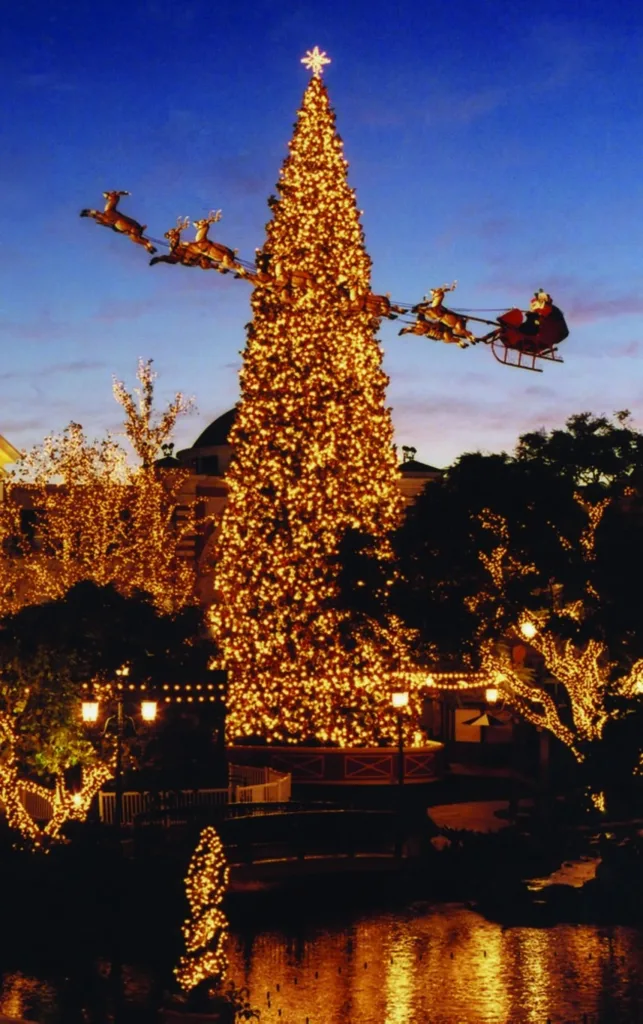 Have you ever wondered about the tallest Christmas tree in history? You might be surprised to learn that it reached an astonishing height of 221 feet!
This record-breaking tree was displayed at the Northgate Shopping Center in Seattle, Washington back in December 1950. Can you imagine the effort it took to decorate such a massive tree?
The tree was a Douglas fir, a species known for its impressive height and classic Christmas tree shape. It’s worth noting that this wasn’t just any ordinary tree – it was specially selected and cut for this grand display.
You might be wondering how they managed to erect such a tall tree. It certainly wasn’t an easy feat! The shopping center had only opened earlier that year, so this incredible Christmas tree was likely part of a strategy to attract visitors and media attention.
If you’re trying to picture just how tall 221 feet is, think about this: it’s roughly equivalent to a 20-story building. That’s taller than most of the buildings you see in your everyday life!
While you probably won’t see a Christmas tree quite that tall in your local mall, it’s fun to imagine the spectacle it must have created. The next time you’re admiring a beautifully decorated Christmas tree, remember this fun fact about the world’s tallest!
21) Norad’s Santa Tracker was created by accident in 1955.

Did you know that one of the most beloved Christmas traditions started with a wrong number? It’s true! The NORAD Santa Tracker began in 1955 due to a simple mistake.
It all started when a Colorado Springs newspaper printed a phone number for children to call Santa. The only problem? The number was incorrect.
Instead of reaching Santa’s workshop, kids were calling the Continental Air Defense Command (CONAD) operations center. Colonel Harry Shoup, the officer on duty, decided to play along.
Rather than disappointing the eager children, Shoup instructed his staff to give out Santa’s “location” to callers. This quick-thinking response sparked a heartwarming tradition.
In 1958, NORAD (North American Aerospace Defense Command) took over the Santa-tracking duties. They’ve been keeping tabs on Santa’s Christmas Eve journey ever since.
Today, you can track Santa through various means, including NORAD’s website, mobile apps, and even by phone. It’s amazing how a simple misprint led to a cherished holiday custom.
So next time you check Santa’s progress on Christmas Eve, remember the story behind this accidental tradition. It’s a reminder that sometimes the best things happen by chance!
22) Nearly 28 sets of LEGOs are sold every second during the Christmas season.
 You might be surprised to learn just how popular LEGO sets are during the holiday season. Almost 28 LEGO sets are sold each second during the Christmas rush. That’s an incredible rate of sales for these beloved building blocks!
Imagine the joy on children’s faces as they unwrap their new LEGO sets on Christmas morning. With so many sets flying off the shelves, it’s clear that LEGO remains a top choice for gifts.
The variety of LEGO sets available is astounding. From classic building blocks to themed sets based on popular movies and characters, there’s something for everyone. This wide range of options contributes to the high sales during the festive period.
LEGO offers special Christmas-themed sets that are particularly popular during this time. These can include festive scenes, holiday characters, or winter-themed builds that add to the Christmas spirit.
Remember, if you’re planning to gift LEGO this Christmas, you’re not alone. Millions of others are doing the same, contributing to this impressive sales statistic. It’s a testament to the enduring appeal of these colorful bricks that have been captivating imaginations for decades.
23) The song ‘Jingle Bells’ was the first song broadcast from space.
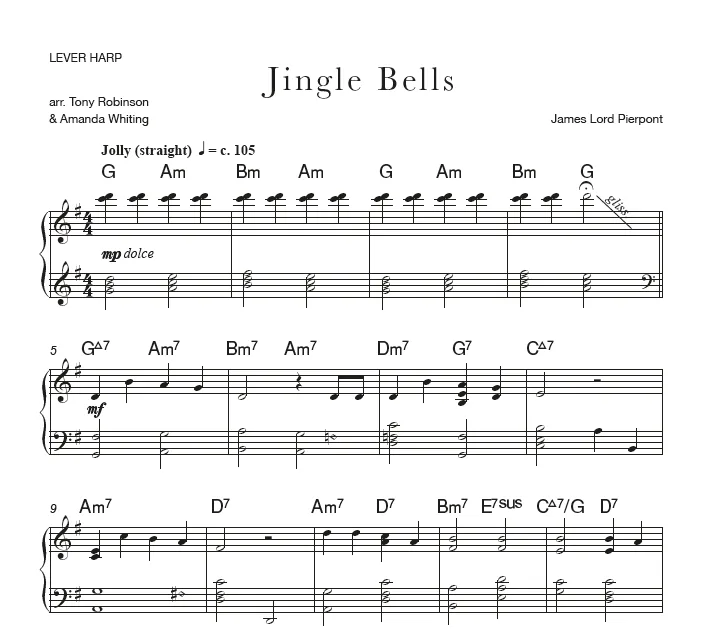 You might be surprised to learn that a beloved Christmas carol made history beyond Earth’s atmosphere. On December 16, 1965, astronauts aboard NASA’s Gemini 6A space flight treated Mission Control to an unexpected musical performance.
Walter M. “Wally” Schirra Jr. and Thomas P. Stafford, the two astronauts on the mission, had secretly brought along a harmonica and sleigh bells. As they orbited the Earth, they played and sang “Jingle Bells,” making it the first song ever broadcast from space.
This festive surprise occurred just ten days before Christmas, adding a touch of holiday cheer to the serious business of space exploration. The astronauts’ playful gesture brought smiles to the faces of those monitoring the mission back on Earth.
“Jingle Bells” was a fitting choice for this space milestone. The song, written by James Lord Pierpont in 1857, has been a Christmas favorite for generations. Originally titled “One-Horse Open Sleigh,” it captures the joy and excitement of the holiday season.
Next time you hear “Jingle Bells,” remember its unique place in history. This simple tune not only brings Christmas cheer on Earth but also holds the distinction of being the first melody to ring out among the stars.
24) St. Nicholas is the patron saint of sailors, merchants, and children.
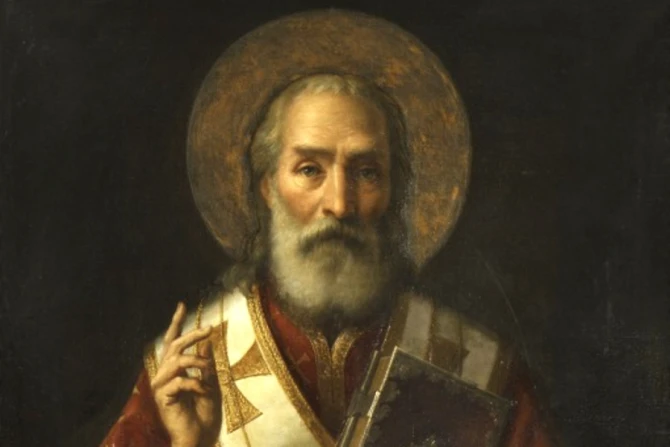 You might know St. Nicholas as Santa Claus, but did you know he’s also a patron saint? That’s right! St. Nicholas is the patron saint of children, merchants, and sailors, among others.
Born around 270 AD in what is now Turkey, St. Nicholas became famous for his generosity and kindness. He was known for secretly giving gifts to those in need, which is where the tradition of Santa Claus comes from.
As a patron saint of sailors, St. Nicholas is said to have calmed stormy seas and saved ships from sinking. This association likely comes from legends of his travels and miracles at sea.
For merchants, St. Nicholas is a symbol of fair trade and honesty. He’s often depicted holding three gold balls, representing the dowries he gave to three poor sisters.
But it’s his love for children that makes St. Nicholas most famous. He’s known for rescuing children from harm and providing for those in need.
You might celebrate St. Nicholas Day on December 6th, which is believed to be the anniversary of his death. In many countries, children receive small gifts on this day in his honor.
So next time you think of Santa Claus, remember the real St. Nicholas and his legacy of kindness and protection for sailors, merchants, and especially children.
25) The traditional colors of Christmas are red, green, and gold.
 The classic Christmas color palette of red, green, and gold has deep roots in holiday traditions. These festive hues bring warmth and cheer to the season, each carrying its own symbolic meaning.
Red represents the blood of Christ and the apples on the paradise tree. It’s also associated with Santa’s suit and Rudolph’s nose. You’ll see this vibrant color on candy canes, berries, and countless decorations.
Green symbolizes everlasting life and nature’s persistence through winter. It’s prominently featured in Christmas trees, wreaths, and mistletoe. The lush color reminds you of hope and renewal during the coldest months.
Gold signifies one of the gifts brought by the Wise Men to baby Jesus. It represents light, warmth, and prosperity. You’ll find gold accents on ornaments, candles, and festive ribbons.
These colors weren’t always linked to Christmas. Their association dates back to ancient winter solstice celebrations. Holly plants, with their red berries and green leaves, were considered lucky charms in Celtic traditions.
Today, you’ll see these hues everywhere during the holiday season. From gift wrapping to home decor, the red, green, and gold combination instantly evokes a festive spirit. So next time you deck the halls, remember the rich history behind your color choices!
History Of Christmas
Christmas has a rich and fascinating history spanning thousands of years. Its origins blend ancient pagan traditions with Christian beliefs, while celebrations have evolved dramatically over time.
Origins Of Christmas Traditions
Many Christmas traditions have roots in pre-Christian winter festivals. The Roman holiday of Saturnalia influenced gift-giving and feasting customs. Germanic peoples celebrated the winter solstice with Yule logs and evergreen decorations.
Early Christians chose December 25th to commemorate Jesus’ birth, aligning with existing winter celebrations. This date was first recorded in 336 AD during the reign of Roman Emperor Constantine.
Popular Christmas symbols emerged gradually. St. Nicholas, the inspiration for Santa Claus, was a 4th-century bishop known for his generosity. Christmas trees became widespread in the 16th century, with Martin Luther credited for adding candles to mimic starlight.
Evolution Of Celebrations Over Time
Christmas observances have changed significantly through the centuries. In medieval Europe, it was a rowdy carnival-like holiday. Puritans in 17th-century England and America actually banned Christmas celebrations, viewing them as pagan and sinful.
The Victorian era saw a revival of Christmas, with many modern traditions taking shape. Charles Dickens’ “A Christmas Carol” popularized ideas of family gatherings and charity. Christmas cards, crackers, and elaborate dinners became fashionable.
In the United States, Christmas wasn’t declared an official holiday until 1870. The 20th century brought increased commercialization, with Santa Claus becoming a marketing icon. Today, Christmas is celebrated worldwide, blending religious observance with secular customs and family traditions.
Cultural Significance
Christmas holds immense cultural importance worldwide, with diverse traditions and celebrations. The holiday brings people together, fostering a sense of community and joy across different cultures.
Christmas Around The World
You’ll find unique Christmas customs in various countries. In Japan, for example, Christmas dinner often means a trip to KFC. This quirky tradition began in the 1970s and has become a beloved part of Japanese Christmas celebrations.
In France, you’ll notice a stronger emphasis on the religious aspects of Christmas. With about two-thirds of the population identifying as Christian, French Christmas celebrations often incorporate more faith-based elements than in some other countries.
Across the globe, Christmas serves as a time for family gatherings, gift-giving, and special meals. Whether you’re decorating a tree, singing carols, or enjoying traditional foods, you’re participating in a worldwide celebration that brings joy to billions.